I absolutely LOVE this Inside Out board game. It is so well designed that the kids get excited when they see it. I had to do some tweaking to make it work for counseling. I simply colored in the circles to match the colors of the "islands".
Here is what I came up with:
Red - Friendship
Orange - Goofball
Purple - Imagination Land
Yellow - Family
Blue - Sports
Green - Honesty
I simply used the game as designed, but each space required the children to talk about how that island either fits the or doesn't fit them. If it wasn't a fit for their personality, they had they told about what would fit them better. This game gave a great platform for discussing core values.
This game also makes a great segue for another great therapy session - having them draw their own islands! I'm looking forward to going there with some of my more artistic kids that I see.
Saturday, December 3, 2016

Transitions - Unpacking Emotional Burdens
 Life is full of transitions and changes. Some are good and inviting and others are
full of pain and grief. These
transitions could be due to failure on our part, such as loss of relationships,
loss of jobs, or alienation. Transitions
can also be a positive thing, such as graduations, new relationships,
promotions, or moving to a new home or community. Even if we stay in the same situation for
most of our lives there are still natural transitions that happen like growing
older, our children moving from babies to preschoolers, on and on until we
become empty nesters.
Life is full of transitions and changes. Some are good and inviting and others are
full of pain and grief. These
transitions could be due to failure on our part, such as loss of relationships,
loss of jobs, or alienation. Transitions
can also be a positive thing, such as graduations, new relationships,
promotions, or moving to a new home or community. Even if we stay in the same situation for
most of our lives there are still natural transitions that happen like growing
older, our children moving from babies to preschoolers, on and on until we
become empty nesters.
With each life transition you arrive at your destination
with a piece of emotional baggage.
Imagine that for each life transition you had one emotional suitcase
stored away in your emotional storage center.
This suitcase if full of memories – good and bad. It is full of identities, emotional ties to
others, beliefs about yourself and others.
It has contributed to your sense of self. Let’s consider an example:
Sally and George are high school
sweethearts. They were both involved in
sports in high school, came from the same small town, and grew up
together. They were both considered in
the “in” crowd at school and felt they were good for each other socially. Sally had a troubled home life and George
made her feel safe and secure. George on
the other hand came from a stable and supportive home. He enjoyed feeling needed by Sally but
sometimes felt overwhelmed by her emotional needs. After high school George left home to go to
college in another state while Sally stayed behind. Their breakup was difficult for both, but
George had a good support system and dreams that propelled him forward.
George later graduates with a
business degree and finds himself struggling to get his foot in the door in his
field. Although he was the big man on
campus in high school, he now feels like a fish out of water. He always felt needed and in control back
home but now he is in a field flooded with college graduates and feels he must
prove himself. If he hasn’t unpacked the
suitcases of transition, he may feel that he doesn’t fit in, that he isn’t
needed, and that he doesn’t belong. His
prior identity was being good at sports, being under the loving care of his
parents, and being vitally needed by Sally.
How would George go about
unpacking the suitcases? Basically, he
needs to “try on” the ideas, identities from the past, and the memories to see
if they still fit. For example, if his identity
was being the best kicker for the football team and he no longer plays
football, the identity is not a misfit.
He must find his identity in something new. If his emotional well-being came from being
needed by Sally, having Sally now absent from his life would cause an emotional
vacuum. How would George know what needs
to be unpacked? When emotional pain
comes, or when questions of identity rise to the surface, he has the
opportunity to push away the thoughts (as they are uncomfortable) or he can
push through them and sort out how he now feels about his life.
What is the danger of not
unpacking these suitcases? They lead to
confusion, false identities, and emotional attachments that are no longer
productive in his life. For example, he
may come to the realization that his relationship with Sally was not healthy,
but rather than evaluate the co-dependent nature of the relationship he shrugs it
off and moves on. He later falls in love
with a new woman who is quite independent.
Since George was raised in a healthy home environment he is not
intimidated by Sue’s confidence, but is attracted to it. George and Sue fall in love and later get
married. George recognizes that Sue and
Sally are very different in their emotional needs, desires from the
relationship, and the way they make him feel about himself. If he has unpacked the emotional suitcase
from his relationship with Sally, George is able to go into the relationship with
Sue with a clear head. Otherwise, he
will find himself comparing Sue to Sally. Sally had a way of making George feel
important, needed, and powerful. If
George is having a relationship problem with Sue and he remembers how he felt
needed by Sally, it could cause a stir in him.
If George suddenly gets a friend request from Sally on Facebook, his
relationship with Sue could be compromised.
However, if he had unpacked the suitcase of his relationship with Sally
he would recognize that the co-dependent nature of their relationship was
shallow, unhealthy, and not the kind of relationship he wanted long term. This thought process allows himself to sever
the emotional ties that bound him to Sally.
If he were to go back home to visit the family and ran into Sally, he
will not be faced with an emotional barrage, but will be able to keep a healthy
distance.
In the cognitive behavior psychology world we talk a lot
about how thoughts impact emotions and behaviors. Behind every emotion and behavior there is a
belief or a thought driving them. Many
people move from transition to transition without ever unpacking the suitcases
from the past. They are left with
identity confusion, emotional ties to people they no longer are in relationship
with, and often have difficulty functioning in new relationships. This “maladaptive”
thinking causes all sorts of problems.
They may feel that they can never measure up in life due to their
identity being wrapped up in the past.
They may experience long term grief over the loss of relationships or life
phases. For example, a mother could have
a very difficult time adapting to being an empty nester if her identity was
centered on being mom. Or a middle aged
man may continue to function according to the unrealistic expectations set by a
critical mother when he was a child.
From a biblical perspective, this is considered renewing
your mind. Believers must sort through
our thoughts regularly to make sure they are in line with the Word of God. When a person receives Christ they are
automatically a new creation in the spirit realm. However, all their thoughts and emotions
remain the same until they evaluate their thoughts and “try on” their beliefs,
values, and memories to see if they still fit.
If a belief doesn’t fit anymore, it doesn’t mean that it is erased from
your memory, but it no longer has a pull on you.
The process sounds simple but it can be hard to navigate and
implement regularly. When confusion or emotional pain from the past comes, take
the time to think it through. Ask
yourself these questions:
“When
did I first start to feel this way?”
“Is
this thought true? Is it helpful? Does
it still apply today?”
“Do I
have an unhealthy emotional attachment to this person/situation/place?”
“If I
could go back and talk to myself back then, I would say….”
Freeing yourself from emotional burdens of the past can be a hard and emotional process, but the freedom that comes makes it worth it.
Photo Credit: Photo by Mantas Hesthaven from Pexels https://www.pexels.com/photo/man-pulling-luggage-walking-near-gray-concrete-road-during-sunset-171053/
Saturday, July 11, 2015
The Hulk-O-Meter

I created the Hulk-O-Meter to help kids pay attention to how their bodies change as they get angry. Well, I specifically made the Hulk-O-Meter for that particular little guy to remember body awareness and to use coping skills as needed. It's no more than a deviation off of a normal anger meter, but way more fun! I intend to use it as a conversation starter and visual with kids. I will likely use an outline of a body to help identify what happens in their body as they get mad and to help them identify when they need to start using their coping skills so they don't "go Hulk."

You can download a free PDF HERE. Just type in "hulk" as a discount code.
I hope you enjoy it!
Tasha
Sunday, May 24, 2015
Game Review: Baking up a Friendship
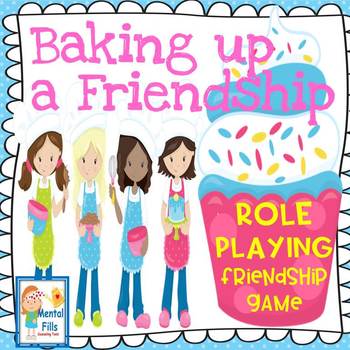
I recently bought this game on Teachers Pay Teachers and I love it! The creator took a lot of time to come up with creative ideas of how to help children learn communication and social skills. I have played this game with several clients, and they are asking for it.
If you purchase this game, be prepared to use some ink. There are TONS of cards and handouts that go along with the game. To save some ink, I printed the cards on "portrait" instead of "landscape" mode and I laminated everything so that I can use dry erase markers rather than printing handouts for each time I use it.
What I love about this game is that there are so many different aspects to it that you can play it again and again and not go over the same cards repetitively. I will also use aspects of this game in other counseling activities, such as the proper apology examples, the reflective listening script, and the script for honest communication. I enjoy having visuals when I work with kids, as I think it helps them remember the concepts better.
Here's the link to the game: https://www.teacherspayteachers.com/Product/Baking-Up-A-Friendship-Girls-Role-Playing-Game-for-Keeping-Friends-1790143
Tuesday, March 10, 2015
Journey to My New Family

After searching the internet to find resources to use with children with abandonment issues, I finally decided to make a game to use with children who have been adopted or are in foster care. This game focuses on attachment problems, feelings of abandonment, and helps them process feelings related to changes at home. Children are able to identify feelings related to their role in the family and trust issues.
There are two sets of cards to address family issues and feelings. The questions are designed to provoke introspection and to process how changes continue to impact the child's feelings. It is important to read through the cards before playing with clients, as some may be inappropriate for the child or situation. I would also encourage therapist who use this game to print a blank set of cards to write in questions that my be specific to the situation of the child you are working with.
To purchase, visit our website: www.pathwaystopeacecounseling.com
You can also find our games on Amazon, Ebay, and Teachers Pay Teachers
You can also find our games on Amazon, Ebay, and Teachers Pay Teachers
Thought Crashers


I try in every way that I can to use CBT techniques with my clients, as I believe they are effective to lasting change and good outcomes. Teaching kids to understand CBT principles can be very challenging! This game was designed to help children identify self-talk, irrational thought patterns, and to help kids learn how to modify their thoughts.

This game puts Cognitive Behavioral Therapy skills in a play format. Let's face it. Children really do not typically sit still to talk about self talk and thought patterns! But they are willing to learn when it is presented through play.

Check out the game on my website: www.pathwaystopeacecounseling.com.
It is also available for sale at my Teachers Pay Teachers Store: https://www.teacherspayteachers.com/Product/Thought-Crashers-1745244
You can also find our games on Amazon and Ebay.
Sunday, February 8, 2015
How to Build Trust in Your Marriage

When conflict comes in a relationship, people are generally
comfortable stating “I like this,” or “I don’t like that.” However, it takes true vulnerability to state
why the preferences are there. Perhaps
it is fear of rejection or abandonment. It could be triggers from past
relationships gone wrong. It could be
attitudes learned from growing up in a dysfunctional home. Exposing the hidden issues in the heart is a
dangerous position to be in. If trust
has not been established, the pain could run deep if the spouse does not
receive the information lovingly or even worse, if they use it as a weapon
against their spouse.
If you recognize the intimacy in your relationship is
lacking, it might be time to build the trust and become more vulnerable. To build trust, you must be willing to take a
risk. Here are some tips to building
intimacy in your relationship:
1.
Be real with yourself about what you want. If you don’t know what you want, how will
your spouse ever be able to figure it out?
Playing mind games by expecting him or her to always know what you are
thinking and wanting will only lead to disappointment and frustration. If you want something, go after it. If it is something that you desire from your spouse,
ask for it directly. Stop the
games. Don’t set them up for
failure.
2.
Be
receptive. If you want your spouse
to be open and honest with you, you have to be willing to receive it. Don’t argue and get defensive. You may have to take it on the chin and it
may hurt, but it’s worth it in the long run.
We all have faults and ignoring them does not make them go away. If you can’t take it, your spouse most likely
won’t be willing to tell you.
3.
Admit it
when you are wrong. So we all screw
up and hurt others. When you realize you
have been wrong in the way you treated your spouse, don’t sweep it under the
rug. The pain can linger. The best thing you can do is become
vulnerable and tell them that you were wrong and ask for forgiveness. Be prepared to deal with the fallout and
willing to move on past it.
4.
Validate
your spouse’s feelings. If your spouse
feels that you do not understand or care about their feelings, they will shut
down emotionally with you. Even if you
disagree with the situation, their feelings are real for them. Listen, show compassion, and when the time is
right you will have your turn. They certainly
will not show love and compassion to you if you don’t show it to them.
5.
Seek out
your spouse. Selfishness is
destructive to relationships, but most of us have a heavy dose of selfishness
that stands in the way of our relationships.
We want what we want, when we want it.
One of the best ways of developing trust with your spouse is to draw
them out. Ask what they want and do
it! If you ask what they want for
dinner, don’t argue with their answer.
Put yourself aside for a while to please your spouse and you will be
pleased with the outcome. If it is
unnatural in your relationship, it may take a while before the guard comes
down. However, if your spouse believes
you are being genuine it can relight the flame of desire in your relationship.
Marriage is hard work.
There is no doubt about it. But
it is worth it. When each day brings new
levels of intimacy and trust, it is worth it.
When you realize that you can count on your spouse to care about your
daily needs, it is worth it. When you
realize that you are building a lifetime of memories and experiences together,
it is worth it. When you are setting an
example of commitment and responsibility for your children, it is worth it!
Subscribe to:
Posts (Atom)